How to Find a Home That Fits Your Budget Without Settling on What Matters
Finding a home that fits your budget can feel like a trade-off. Learn how to set priorities, explore your options, and focus on what matters most.
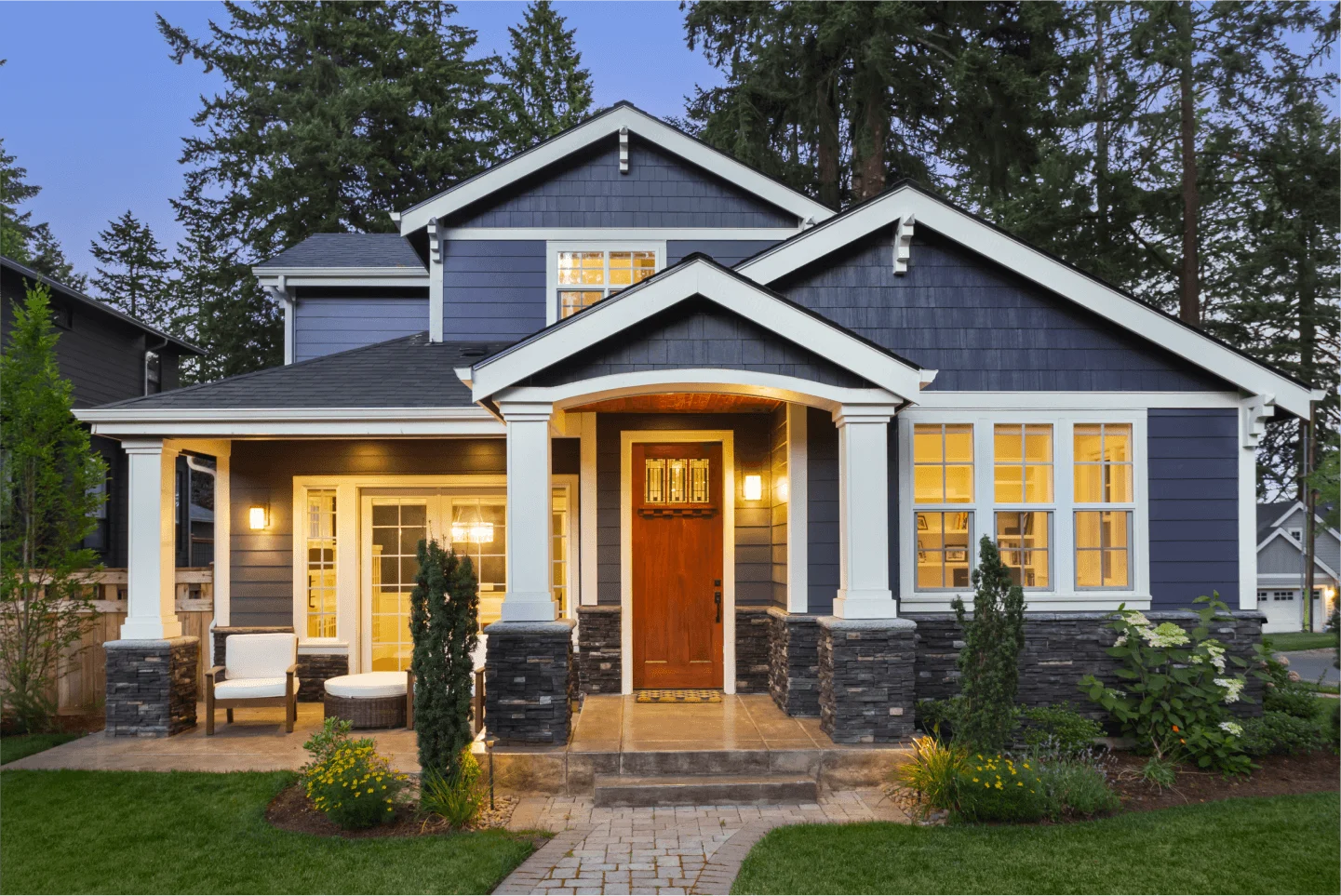
Finding a home you love and can afford is not about choosing between your budget and everything that matters to you. It is about knowing which needs should guide your search, understanding the full cost of ownership, and making clear choices when trade-offs arise.
A home’s price is only one part of its cost. Your monthly mortgage payment may include principal and interest, property taxes, homeowners insurance, and, in some cases, mortgage insurance or homeowners association fees. You will also need to plan for utilities, maintenance, repairs, and moving costs. A home that fits your loan approval amount may still leave too little room in your monthly budget for the rest of your life.
Start by setting a comfortable monthly housing budget. Consider your regular expenses, savings goals, debts, and the costs that can change over time. Leave room for emergencies and future plans. The goal is not simply to qualify for a certain loan amount. It is to choose a payment you can manage without feeling stretched every month.
It can help to think about your budget in two ways: the payment you can afford and the total price range that may support that payment. These are related, but they are not the same. The payment can change based on your down payment, loan terms, property taxes, insurance, and other costs. If one of these factors is higher than expected, a home at a particular price may cost more each month than you planned.
Before looking at homes, separate your priorities into three groups: must-haves, strong preferences, and nice-to-haves. Must-haves are features that support your safety, daily needs, or long-term plans. They might include enough bedrooms, access to public transit, a particular school area, or a layout that works for someone with limited mobility. Strong preferences matter, but you may be open to alternatives. Nice-to-haves are features you would enjoy but do not need to feel at home.
This simple exercise helps keep the search focused. It also makes it easier to decide whether a home is a reasonable compromise or a poor fit. For example, you may be willing to accept older kitchen finishes if the home has the location and room layout you need. But if a home lacks a feature that is essential to your daily life, a lower price may not make it the right choice.
Be specific about what each priority means. “Good location” could mean a short commute, nearby shops, access to family, or a quiet street. “Enough space” may depend on how you use each room, not only the home’s total square footage. Clear definitions help you compare homes based on what will affect your life, rather than on broad labels or appealing photos.
Next, look at the costs that may not be obvious during a showing. Property taxes can vary by location and may change over time. Insurance costs may depend on the home’s age, condition, location, and features. Some homes have association fees, special assessments, or shared maintenance costs. A property with a lower asking price may still be more expensive to own if these costs are high.
Maintenance deserves special attention. A larger yard, older roof, aging heating system, or extensive exterior may require more care and money. That does not mean you should rule out every home that needs work. It means you should understand what the work could involve and whether you have the time and savings to handle it. A home inspection can help identify issues, though it cannot predict every future repair.
Think about your cash needs beyond the down payment. Closing costs, moving expenses, initial repairs, appliances, and utility deposits can add up. Using every dollar you have to buy the home may leave you without a useful reserve. Keeping savings available can help you manage surprise costs and avoid relying on credit for basic repairs.
Location and home features often involve trade-offs. A smaller home closer to work may reduce commuting time and transportation costs. A larger home farther away may offer more space but add costs for fuel, transit, or childcare. A home that needs cosmetic updates may be a better fit than a recently renovated one if the location and structure meet your needs. Consider how each choice affects both your monthly budget and your daily routine.
It is also useful to decide where you are willing to be flexible before you fall in love with a particular home. You might be open to a different countertop, fewer built-in features, or a slightly longer commute. You may not be willing to give up a safe route to work, enough space for your household, or access to needed services. Making these decisions early can reduce pressure when a home looks appealing but has costs or drawbacks you had not considered.
Be careful about stretching your budget because you expect your income to rise or other costs to fall. Future changes may not happen as planned. Build your decision around the income and expenses you can reasonably count on now. If your household income varies, consider how the payment would feel during a lower-income month. If you expect a major change, such as a new job or a growing family, include that in your planning.
A written comparison can help when you are considering several homes. List each property’s estimated monthly payment, taxes, insurance, association fees, expected maintenance, and major advantages or concerns. Then compare each home with your must-haves and strong preferences. This can reveal when a lower purchase price does not mean a lower overall cost, or when a home with fewer upgrades offers better value for your needs.
Remember that an asking price is not the same as the full financial picture. Your financing details and the home’s costs affect what you can comfortably manage. Before making decisions, review your income, debts, available funds, and expected housing expenses. A clear understanding of these details can help you set a realistic search range and avoid focusing on a price that does not match your monthly budget.
You do not have to find a home that checks every box. You do need to understand which boxes matter most, what each home will cost to own, and which compromises you can live with. With a clear budget and a thoughtful list of priorities, you can look for a home that supports your life without taking on more than you can comfortably manage.
Reach out to go over your specific needs, budget, and homeownership goals so we can discuss what may fit your situation.