
Ron Novotny
CEO Broker | NMLS: 69568
CEO Broker | NMLS: 69568
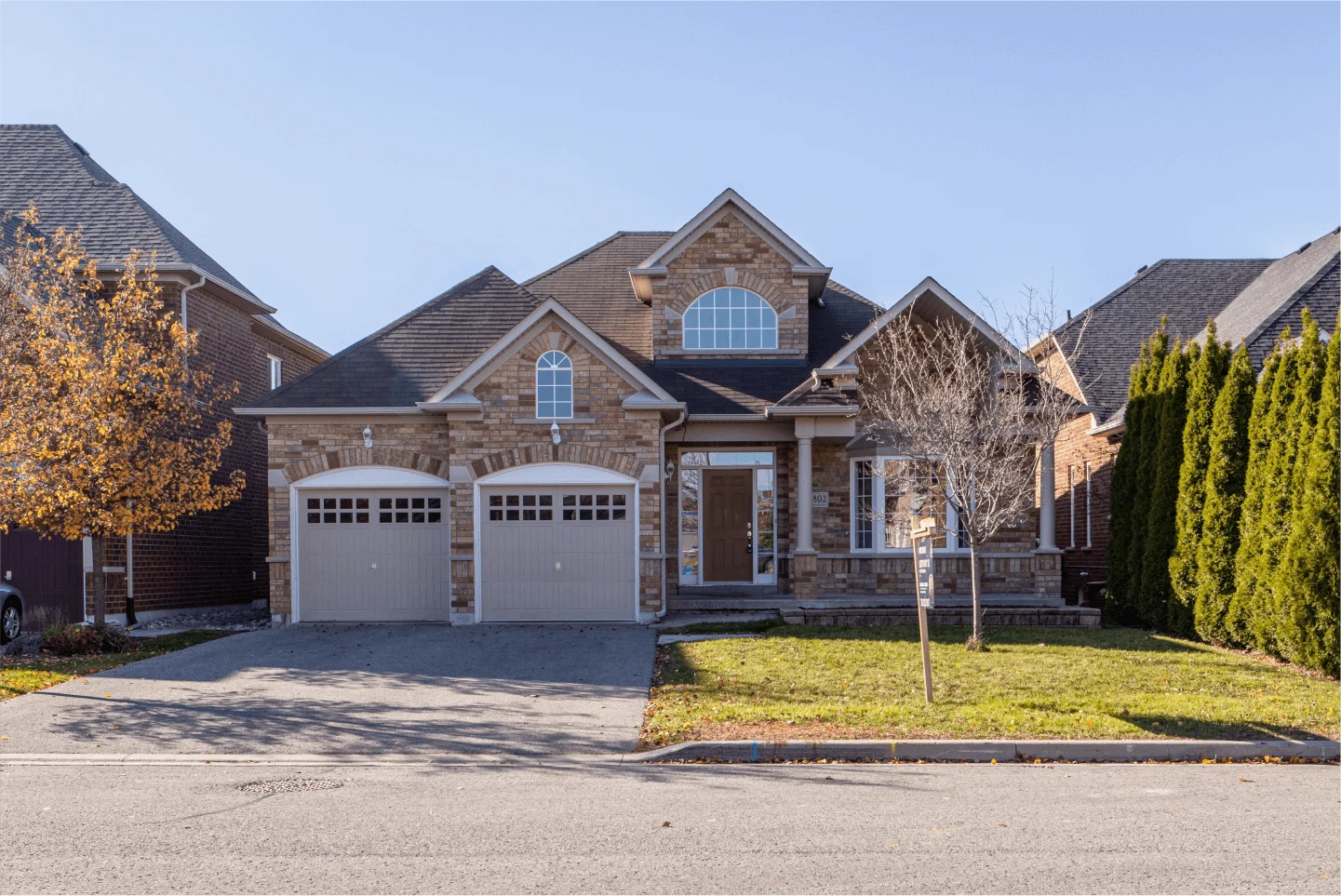
Buying a home is one of the most important decisions you will make in your life. For many, it represents a dream come true, a place to create memories, and an investment for the future. However, the path to homeownership can be filled with financial hurdles that may seem overwhelming. Understanding how to navigate these challenges is essential for achieving home affordability. In this blog, we will explore various strategies that can help you overcome these financial hurdles together.
First, let's discuss what home affordability truly means. It's not just about having enough money for a down payment. Home affordability encompasses a range of factors, including your income, existing debts, credit score, and the overall cost of maintaining a home. Understanding these elements can help you make informed decisions as you move forward in your journey.
One of the first steps in mastering home affordability is assessing your financial situation. Take a close look at your monthly income and expenses. Create a budget to see where your money goes each month. This budget should include all fixed costs, such as rent, utilities, groceries, and transportation, as well as discretionary spending. Once you have a clear picture of your financial landscape, you can identify areas where you can cut costs or save more money. Small adjustments can add up over time and increase your ability to save for a down payment.
Speaking of down payments, it’s important to understand how much you will need. Traditionally, homebuyers have been told they need to save 20% of the home’s purchase price for a down payment. However, that is not the only option available. There are various programs and loans that allow for lower down payments. If you are a first-time homebuyer, you may qualify for assistance programs that can help with your down payment or closing costs. Familiarize yourself with these options; they can significantly ease the financial burden of purchasing a home.
Another crucial factor is your credit score. Your credit score plays a vital role in determining your mortgage eligibility and interest rates. A higher score typically results in better loan terms. If your credit score is not where you want it to be, consider taking steps to improve it before applying for a mortgage. Pay down existing debt, make all your payments on time, and avoid opening new credit accounts in the months leading up to your home purchase. These actions can help boost your score and improve your chances of securing favorable mortgage terms.
Debt-to-income (DTI) ratio is another essential concept in understanding home affordability. Lenders use DTI to assess your ability to manage monthly payments. It is calculated by dividing your monthly debt payments by your gross monthly income. Generally, a lower DTI indicates you have a manageable level of debt, which can increase your chances of being approved for a mortgage. To lower your DTI, focus on paying off high-interest debts and avoid taking on new ones. This not only improves your financial standing but also helps you feel more confident about your ability to afford a home.
In addition to personal finance management, you should also consider the type of mortgage that aligns with your financial goals. Fixed-rate mortgages offer stability with consistent payments over the life of the loan, while adjustable-rate mortgages (ARMs) may provide lower initial payments but can fluctuate based on market conditions. Understanding the differences and determining which option suits your long-term plans is crucial. Each type has its advantages and disadvantages, and choosing the right one can impact your overall affordability.
You might also want to explore alternative housing options. If the traditional single-family home seems out of reach, consider other types of properties. Townhouses, condos, or even multi-family homes can offer lower price points and can be a viable entry into the housing market. They often come with community amenities and lower maintenance responsibilities, which can be appealing for first-time buyers.
An often-overlooked aspect of home affordability is the associated costs of homeownership. It’s important to budget not only for your mortgage payments but also for property taxes, homeowners insurance, maintenance, and potential homeowner association (HOA) fees. These costs can add up quickly, so being aware of them helps you better prepare. Set aside a portion of your monthly budget for these expenses to avoid any surprises down the road.
To further enhance your home affordability strategy, consider working with a knowledgeable mortgage loan officer, like myself. I can provide tailored advice based on your unique financial situation and help you identify the best mortgage options available. Together, we can explore financial strategies that fit your needs, whether that includes lifestyle changes, budgeting techniques, or assistance programs.
Another strategy to consider is taking advantage of gift funds. Many lenders allow homebuyers to use financial gifts from family members or friends to cover down payments or closing costs. If you have family members willing to assist you, this can significantly ease the financial burden. Just be sure to understand the guidelines associated with using gifted funds, as lenders may require documentation to verify the source.
Networking and seeking community support can also help navigate financial hurdles. Join local homebuyer workshops or community housing events. These often provide valuable information about available resources and programs. Moreover, they create opportunities for you to connect with others who are on the same journey. Sharing experiences and insights can be incredibly beneficial as you work towards your goal of homeownership.
Finally, staying informed about the housing market is essential. Understanding local market trends can help you make informed decisions about the right time to buy. Are home prices rising in your target area? Is it a buyer's market or a seller's market? Knowledge of these factors can help you strategize your approach and timing, allowing you to maximize your investment.
Remember, the journey to homeownership is not a race. It’s important to take the time to assess your financial readiness and make informed decisions. By implementing these strategies, you can work towards mastering home affordability. Whether it's budgeting better, improving your credit score, exploring alternative housing options, or seeking professional guidance, there are multiple pathways to overcome financial hurdles together.
If you have specific questions or would like to discuss your unique situation further, please reach out to me. It’s my goal to help you navigate this journey successfully and work towards your dream of homeownership.
CEO Broker
Heartland Mortgage | NMLS: 69568